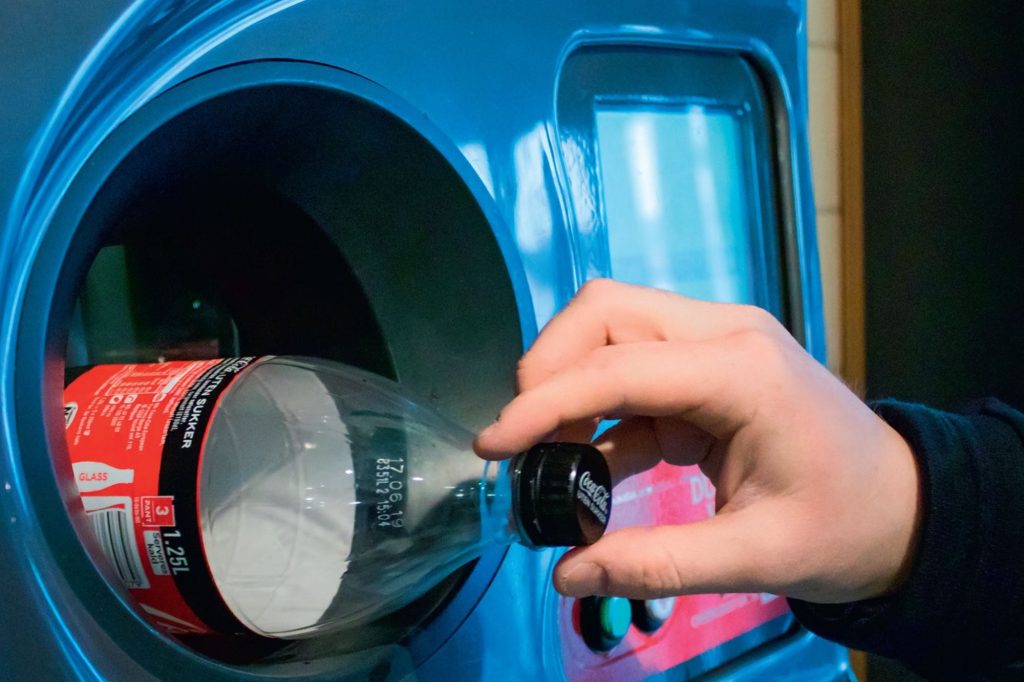
In a bid to optimise material recovery and prepare for shifting regulatory landscapes, Cheshire West Recycling has successfully deployed AI-driven waste intelligence to improve sorting outcomes. Using computer vision technology developed by Greyparrot, the facility has achieved a 12% increase in contamination removal. Crucially, the system is also being utilised to model the potential impact of the UK’s upcoming Deposit Return Scheme (DRS) on municipal waste streams.
Contamination remains one of the most persistent and costly challenges in the plastics recycling supply chain. High levels of non-target materials degrade bale quality, drive up processing costs, and increase the risk of export rejections. At the same time, the impending DRS will fundamentally alter the composition of household recycling by diverting high-value PET bottles away from standard kerbside collections. AI-powered analytics allow Materials Recovery Facility (MRF) operators to predict these shifts and adjust their sorting infrastructure proactively.
For UK waste companies and Turkish recyclers, this technological shift is highly significant. As UK exporters face increasingly stringent quality controls and regulatory scrutiny, the adoption of automated sorting analytics provides a mechanism to guarantee lower contamination rates. Cleaner, more consistent bales mean UK suppliers can secure reliable export routes. For Turkish reclaimers, importing higher-purity feedstocks directly translates to improved processing yields, reduced energy consumption, and a more dependable input stream for high-value applications.
Practical Takeaway: UK waste managers should evaluate how automated sorting analytics can future-proof their operations against DRS-induced feedstock changes, while Turkish recyclers should seek out UK suppliers utilising AI-backed quality assurance to guarantee lower contamination levels.