The global push towards a fully circular economy for plastics continues to encounter significant operational hurdles. Systemic issues—ranging from fragmented municipal collection systems and contamination in post-consumer waste streams to economic pressure from low virgin resin prices—have created persistent headwinds for the sector. However, recent developments demonstrate that a combination of technological refinement, harmonised policy mechanisms, and cross-sector integration is creating commercially viable pathways to overcome these barriers.
Strategic Alignment Across the Supply Chain
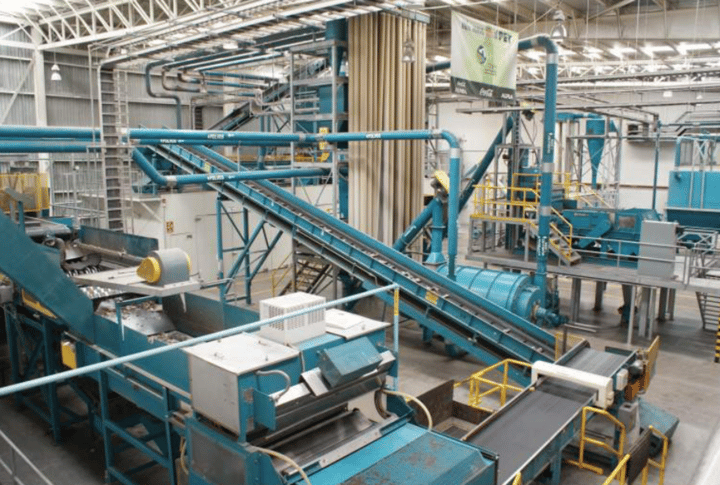
Achieving meaningful circularity requires moving beyond piecemeal recycling initiatives towards scalable, systemic infrastructure. Advanced sorting mechanisms, such as high-throughput optical sorters and artificial intelligence-driven material recognition, are improving the purity of recovered plastic fractions. Simultaneously, regulatory drivers are altering market dynamics. Mandatory recycled content quotas and extended producer responsibility (EPR) schemes are compelling brand owners to secure long-term off-take agreements, effectively creating a demand floor for secondary materials despite fluctuations in primary polymer pricing.
Implications for Compliance, Costs, and Carbon Accounting
For UK waste management companies and Turkish reprocessors, navigating these structural shifts directly influences regulatory compliance, operational expenditure, and ESG metrics. As corporate Scope 3 emissions reporting becomes standard practice under international frameworks, maintaining verified audit trails for secondary plastics is essential. UK waste collectors and packaging converters facing the Plastic Packaging Tax must demonstrate high secondary material purity to avoid financial penalties.
For Turkish recyclers receiving imported UK post-consumer scrap, investing in secondary optical sorting and wash-line efficiencies is becoming vital to handle lower-grade feedstocks without suffering excessive yield losses. Enhanced pre-treatment reduces energy and water consumption during reprocessing, directly lowering the embodied carbon footprint per tonne of rPET, rHDPE, or rPP produced. This efficiency is increasingly required by multinational converters demanding low-carbon, food-grade circular resins.
Practical Takeaway
Reprocessors and converters should focus on formalising quality specifications and batch traceability systems across their supply chains. Investing in upgraded sorting technology at the early stages of processing mitigates material loss, lowers utility costs per tonne, and ensures compliance with evolving UK and EU environmental reporting standards.