The Solid Waste Association of North America (SWANA) has published a new report detailing the strategic benefits of waste-to-energy (WtE) technologies for local authorities. The study positions WtE as a reliable method for reducing landfill volumes, recovering metals, and generating baseload renewable energy from residual municipal waste. While aimed primarily at North American municipal planners, the report enters a highly contested global debate regarding the role of incineration within the waste hierarchy.
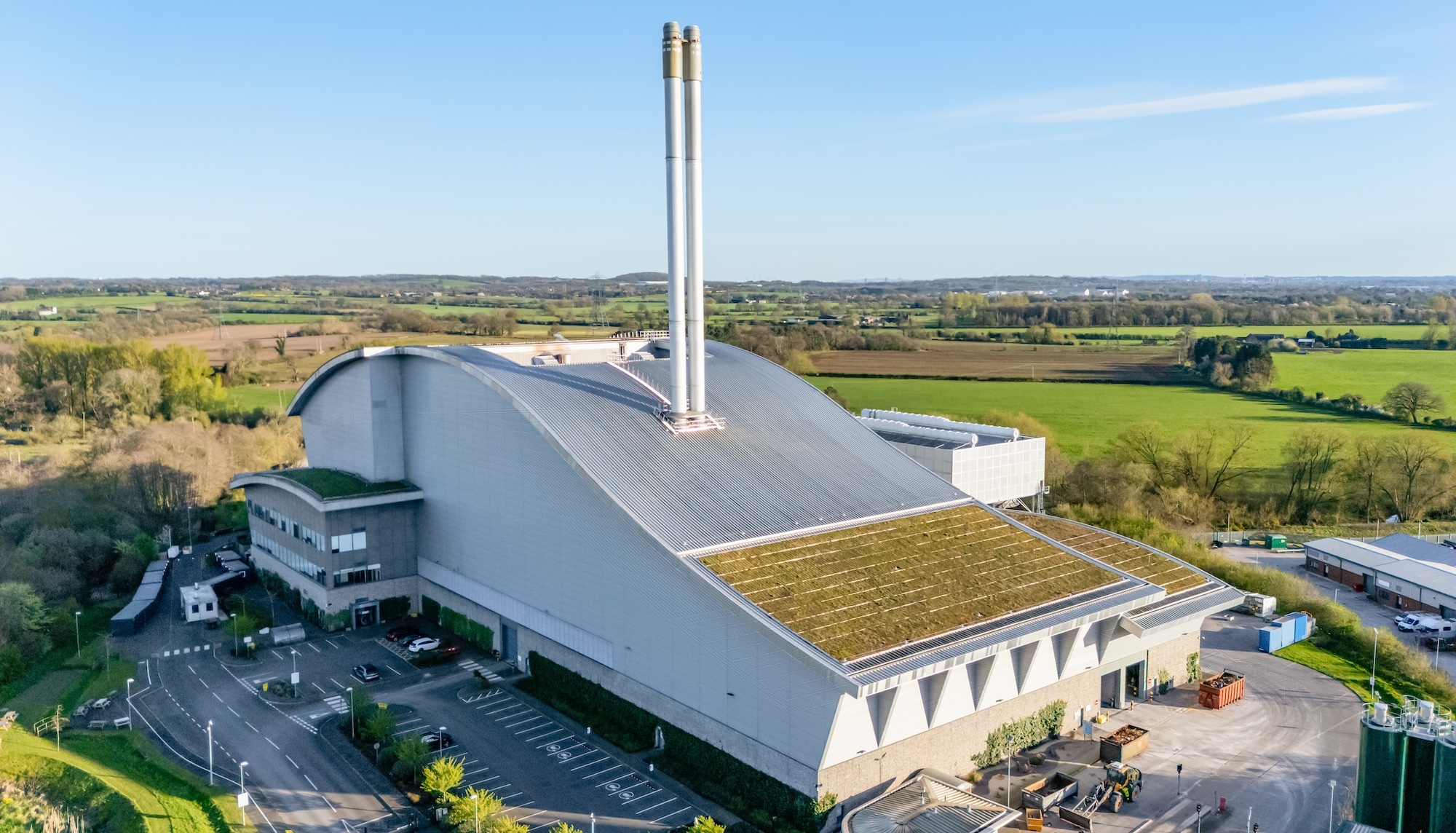
For UK waste management companies and Turkish recyclers, the expansion of WtE capacity presents both operational challenges and policy conflicts. In the UK, the impending inclusion of energy-from-waste (EfW) facilities in the UK Emissions Trading Scheme (ETS) by 2028 is set to significantly increase the cost of incinerating fossil-derived plastics. This regulatory shift means that burning plastic will become an increasingly expensive disposal route, driving the financial incentive back toward mechanical recycling.
For Turkish recyclers, who rely heavily on imported plastic scrap from the UK and Europe, the prioritisation of WtE over recycling in municipal planning poses a direct threat to feedstock security. When recyclable polymers like HDPE, LDPE, and PP are directed to incinerators to maintain calorific values, it starves the recycling sector of the secondary raw materials needed to manufacture high-quality circular resins. Turkish processors must closely monitor how local governments balance landfill diversion targets with recycling mandates.
The practical takeaway for the sector is the critical need for advanced pre-sorting infrastructure. UK waste operators and packaging converters must invest in upstream sorting to extract all recyclable plastics before the residual fraction is sent for energy recovery. This dual approach minimises carbon tax liabilities under the ETS while ensuring a steady stream of high-value polymers remains available for export and reprocessing.